This article may contain affiliate links. If you buy through them, Soft Morning, Simple Life may earn a small commission at no extra cost to you. Learn more.
Creating a home sanctuary is one of those ideas that sounds wonderful on paper. It conjures images of soft lighting, serene colors, and an atmosphere that invites rest and reflection. However, the reality can sometimes involve a lot of fuss and expense, leaving us feeling more overwhelmed than at ease. I’m all about simple living, so I’ve found ways to cultivate that sanctuary feel without turning my home into a Pinterest board or a second job.
Understanding What Sanctuary Means to You
First, let’s clarify what a home sanctuary means in practical terms. For me, it’s a space where I can unwind after a long day, where the noise of the outside world fades away, and where I genuinely feel at peace. It doesn’t require a major renovation or designer touches; it simply reflects what makes me feel comfortable and safe.
Before diving into specific changes, take a moment to think about your own definition. Is it a specific room, a cozy nook, or perhaps a corner filled with your favorite plants and books? My sanctuary, for instance, is a small reading corner in my living room, complete with a worn-out chair and a soft throw blanket. It’s unassuming and imperfect, but it’s mine—where I can lose myself in the pages of a good book or sip tea while gazing outside.
Declutter with Intention
One of the most effective ways to start creating a sanctuary is to declutter intentionally. This doesn’t mean you need to get rid of everything; rather, focus on eliminating what doesn’t serve you. I made a habit of going through my belongings every season, assessing what I truly need and what can go. If something doesn’t bring joy or utility, it’s out the door.
- Start with one area: Choose a room or even a single drawer and dedicate a Saturday afternoon to taking stock.
- Ask yourself: Does this item serve a purpose? Does it make me happy to see it? If not, it’s time to let it go.
- Be mindful of what comes back in: Once you declutter, be intentional about new purchases. Only bring in items that contribute to your sanctuary feel.
For me, this has meant letting go of excess decor that no longer resonates and instead embracing simple pieces that have meaning, like a few photos from travels or gifts from loved ones. Each item tells a story and enhances my living space without overwhelming it.
Curate Your Atmosphere
After you’ve decluttered, the next step is to curate your atmosphere. This involves thoughtful choices around lighting, scents, and sounds—elements that transform a space from ordinary to inviting. I love using soft, warm lighting instead of harsh overhead bulbs. A couple of table lamps with warm bulbs create a cozy ambiance, particularly in the evenings.
A simple candle or an essential oil diffuser helps, too. I prefer natural scents like lavender or sandalwood; they’re calming without being overpowering. There’s something about lighting a candle and listening to soft music or nature sounds that shifts my space into a restful mode. No fancy diffusers or expensive candles necessary—just a simple jar candle from the local store does the trick.
Embrace Comfort
Comfort is key when building your sanctuary. Invest in a few quality pieces that invite you to relax. This doesn’t mean rushing to the nearest high-end store; it’s about finding what feels good for you, both physically and mentally. I splurged a little on a good mattress because I realized that I spend a third of my life sleeping. It wasn’t glamorous, but it’s made a world of difference in how I feel every day.
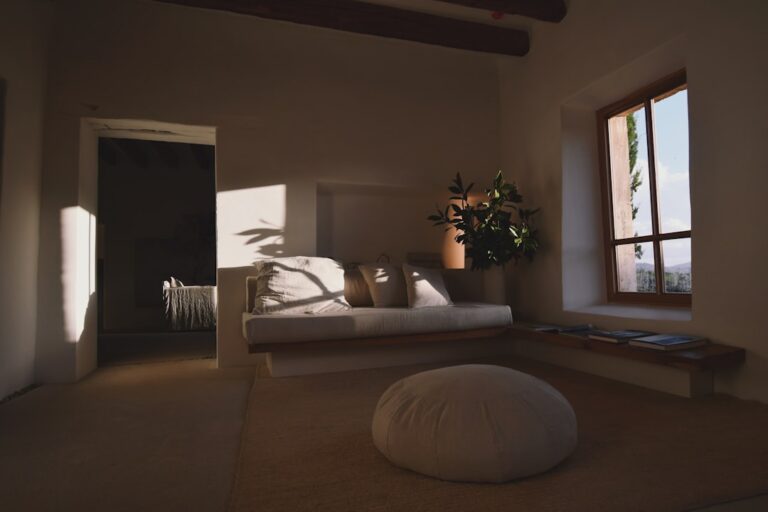
Think about what areas of your home could use a touch of comfort. Fluffy pillows, soft throws, and cozy blankets can add warmth without losing practicality. I keep a chunky knit blanket draped over my couch. It’s perfect for snuggling up with a book or covering up during chilly evenings.
Integrate Nature
Bringing nature indoors not only helps purify the air, but it also creates a calming environment. Plants can act as natural decor, softening hard edges in a room and promoting a sense of well-being. I’ve started with a few easy-to-care-for plants, like pothos and snake plants, which thrive in low light and require minimal attention. Plus, they add a burst of life and color that I find incredibly uplifting.
- Start small: If you’re unsure about plants, consider a single succulent or a small herb pot on the kitchen windowsill.
- Pay attention to placement: A plant on a coffee table or a shelf can create visual interest without taking up much space.
- Try it out: If you find you’re not great at keeping plants alive, fresh flowers from the market can be a lovely, short-term alternative.
Establish Mindful Habits
Creating a sanctuary is not just about the physical space; it’s also about how you engage with it. I’ve found that establishing mindful habits transforms my home into a sanctuary every day. Simple rituals, like morning coffee enjoyed in a favorite mug or an afternoon walk around the block, help ground me in my environment.
Consider setting boundaries around your time at home. This could mean creating a no-phone zone during meals or reading time. Allowing yourself the space to be fully present can make your sanctuary feel even more special. I often spend evenings unwinding with a good book rather than scrolling through social media—it’s a small shift, but it makes the world outside feel a little less noisy and chaotic.
“Your home is a living space, not a storage space.”
Keep It Simple
At the end of the day, the most effective way to build a sanctuary is to keep it simple. There’s no need for elaborate decor or complicated rituals. Focus on what feels right for you and your lifestyle. I’ve learned to appreciate the beauty of minimalism, recognizing that less can often be more. I enjoy a few well-placed candles rather than an entire collection I feel obligated to display.
Also, let go of the idea that everything has to be perfect. Sometimes, a blanket on the floor or a stack of books on the coffee table is where the real comfort lies. Perfection is overrated, and it’s often the little messes that add character to a home.
Final Thoughts
Building a home sanctuary is a rewarding process that can be achieved without the extra fuss. By decluttering, curating your atmosphere, embracing comfort, integrating nature, and establishing mindful habits, you can create a space that truly reflects your needs and enhances your well-being. The key is to focus on what resonates with you, allowing your home to become a peaceful retreat from the world.
As I sit in my reading corner, wrapped in my favorite blanket with the scent of lavender wafting through the air, I’m reminded that a sanctuary doesn’t have to be complicated or expensive. It simply needs to be a space where we can breathe and be ourselves, surrounded by the things that genuinely bring us comfort and joy.