This article may contain affiliate links. If you buy through them, Soft Morning, Simple Life may earn a small commission at no extra cost to you. Learn more.
When I think about my home, I envision cozy corners, sunlight pouring through windows, and the smell of something warm cooking on the stove. But there was a time when those empty spaces felt more like a void than a sanctuary. I used to fill every inch of my home with furniture, decor, and knickknacks, convinced that a well-curated space was a representation of my personality. However, my journey toward embracing empty spaces has taught me some invaluable lessons about simplicity, calmness, and the importance of breathing room.
Understanding My Need for Clutter
For years, I believed that surrounding myself with objects I loved would create a sense of comfort. Each piece had a story, a purpose, or a sentimental value. But the clutter began to overwhelm me. I found myself spending more time managing things than enjoying them. Dishes piled up beside the sink because I was too busy rearranging the bookshelf. I realized that my desire for connection through my belongings was instead turning into chaos.
It wasn’t just the physical clutter; it was also the mental load. Every item seemed to carry an invisible weight. While I spent my weekends dusting and organizing, I longed for the ability to simply be present in my space. It was then that I started to question why I had filled my home to the brim. What was I hoping to achieve?
The Shift Toward Simplicity
As I began to explore the concept of slow living, I realized that embracing empty spaces was essential to fostering a calm atmosphere in my home. It wasn’t just about getting rid of things; it was about creating a place where I could breathe and relax. So, I started small. I picked one corner of my living room where an armchair and a lamp sat, surrounded by books and plants. I decided to clear it out.
Creating a Cozy Nook
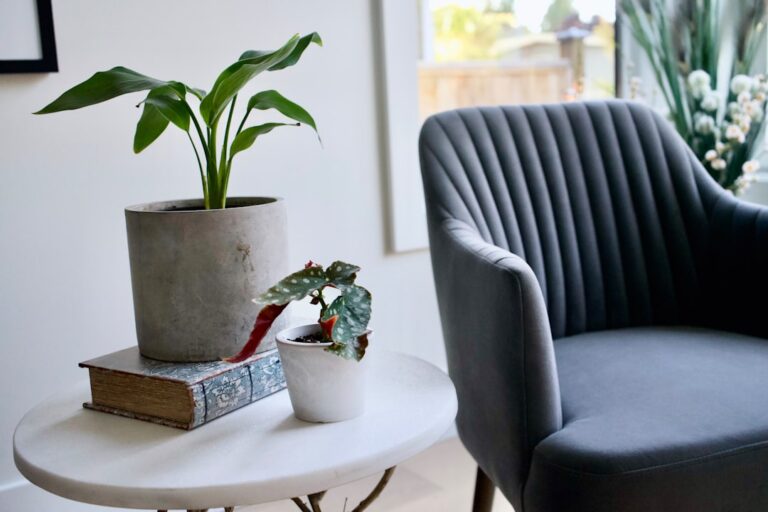
As I removed a few decorative items and some books I had been meaning to revisit but never did, something shifted. The corner transformed from a cluttered catch-all into a cozy nook. I placed a soft blanket over the armchair, added a simple side table, and left a single, beautiful plant to bring life to the space. Suddenly, that corner didn’t feel like a neglected afterthought; it became my favorite spot to sip my morning coffee.
I’ve learned that empty spaces offer a rare sense of clarity. Instead of feeling like something was missing, I found that these areas invite you to fill them with experiences rather than objects. I could finally sit in that nook, close my eyes, and listen to the outside world—a bird chirping, the rustle of leaves, or the distant laughter of children playing. I began to see my home as a backdrop for living rather than as a display case.
Learning to Let Go
Letting go of clutter is not merely a physical act; it’s also an emotional journey. While I was clearing out my belongings, I encountered items that tugged at my heartstrings. Old gifts from friends, artwork from my children, and souvenirs from travels all had their stories. But keeping them around just for nostalgia clung to me like extra baggage. I had to make tough decisions about what truly mattered and what I could release.
- Ask yourself: Does this item bring me joy? Am I holding onto it because of guilt or obligation?
- Consider the space it occupies: Would I rather have an empty shelf that feels open or one filled to the brim?
- Reflect on the emotional weight: Is this item enhancing my life or is it simply a reminder of the past?
Each item I let go created a ripple effect. I felt lighter, both in my physical space and mentally. My living room began to breathe, and so did I. I could see the patterns on my walls, appreciate the natural light streaming in, and even notice the way the shadows danced during different times of the day. By paring down, I made room for what truly mattered.
Finding Purpose in Empty Spaces
Once I embraced the idea of empty spaces, I started to notice how they functioned differently within my home. They became intentional rather than accidental. One evening, I stood in my kitchen, which I had also simplified. Countertops cleared, I had enough space to chop veggies, bake bread, or simply gather with friends over a glass of wine. The emptiness allowed me to appreciate the process of cooking rather than feeling rushed and constrained by clutter.
Utilizing Space Wisely
In my bedroom, I created an empty spot near the window with a small yoga mat and a basket for my meditation cushion. Just having that designated space encourages me to pause, breathe, and practice mindfulness each morning. I don’t always use it, but it’s a gentle invitation to embrace stillness in my day. The absence of clutter means that it’s easier to step into that space when I need it the most.
Empty spaces also allow for seasonal changes. In the winter, I might have a cozy throw blanket draped over a chair, while in the summer, that same chair feels airy with just a fresh plant beside it. I’ve found that my home reflects the seasons and my mood, ebbing and flowing without the constraints of too many objects.
Connecting with the Outside World
Embracing empty spaces has not only allowed me to feel more at peace in my home but also to connect with the outside world. I’ve planted a small herb garden on my kitchen windowsill. Instead of being lost among clutter, the pots stand out, inviting me to interact with nature daily. When I cook, I can simply grab a handful of fresh basil or parsley, turning an ordinary meal into something special.
Another favorite spot is my porch. I’ve kept it almost empty, with just a couple of chairs and a small table. It’s become a peaceful retreat where I can watch the world go by, sip tea, and listen to birds. The empty spaces here encourage me to slow down and appreciate the moment, rather than rushing indoors to escape the chaos.
Redefining My Relationship with Home
My journey toward embracing empty spaces has altered not just my home but my relationship with it. I’ve learned that it’s okay to live with less and that simplicity offers its own kind of beauty. Each room flows into the next without the visual noise of over-decorating and excess. My home has become a canvas for my life, rather than a gallery filled with distractions.
“Simplicity is the ultimate sophistication.” — Leonardo da Vinci
This quote resonates deeply with me. I’ve discovered that sophistication isn’t in what you possess, but in how you experience life. My home now reflects my values: calmness, intention, and the joy of small moments.
Closing Thoughts
Learning to embrace empty spaces has not been an overnight transformation but rather a gradual unfolding. I’ve stripped down the layers, both physically and emotionally, to reveal a space that feels tranquil and welcoming. It’s an ongoing process, and I’m sure I’ll still wrestle with the urge to fill every nook and cranny. But now, I understand the true value of empty spaces, not just as voids to be filled but as areas that invite calm, creativity, and connection with myself and the world around me.